Free Shipping on Holiday Packs · Save 15% Special prices through Nov 30

Need larger quantities? Contact Us

Franceschi Chocolate, established 1830
Language
  • Current language: English
Language
  • Current language: English
Shop Holiday Packs
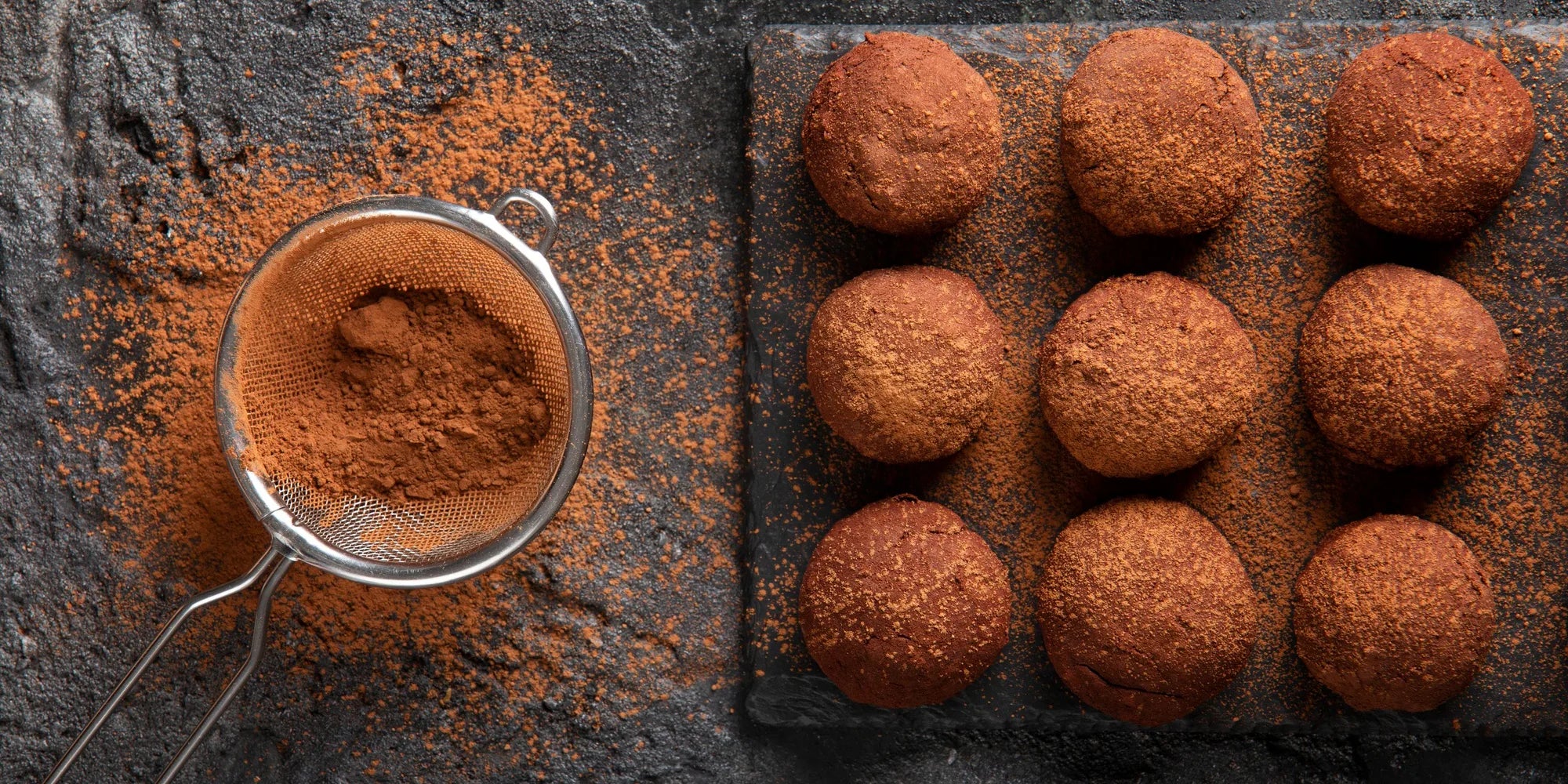
Cocoa powder in a sieve beside a slate board of cocoa-dusted chocolate truffles

The Franceschi Chocolate Guide

What we know about chocolate, written down. A supplier that only sells you the ingredient is only half a supplier — these are the guides, origin notes and recipes our own team works from.

No language required

Recipes Without Words

Easy to follow, and nothing is said. Press play, watch the hands, cook along — eight short films, the same in every language.

  1. 011:01 · no narration

    Chocolate Lava Cake

  2. 020:59 · no narration

    Cupcakes

  3. 030:58 · no narration

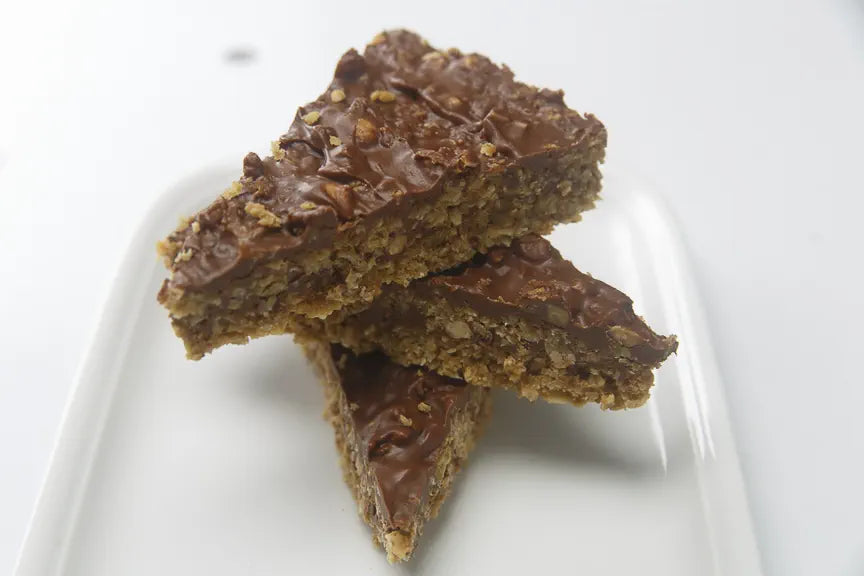
    No-Bake Bars

  4. 040:59 · no narration

    Chocolate Spread

  5. 050:38 · no narration

    Iced Coffee

  6. 060:56 · no narration

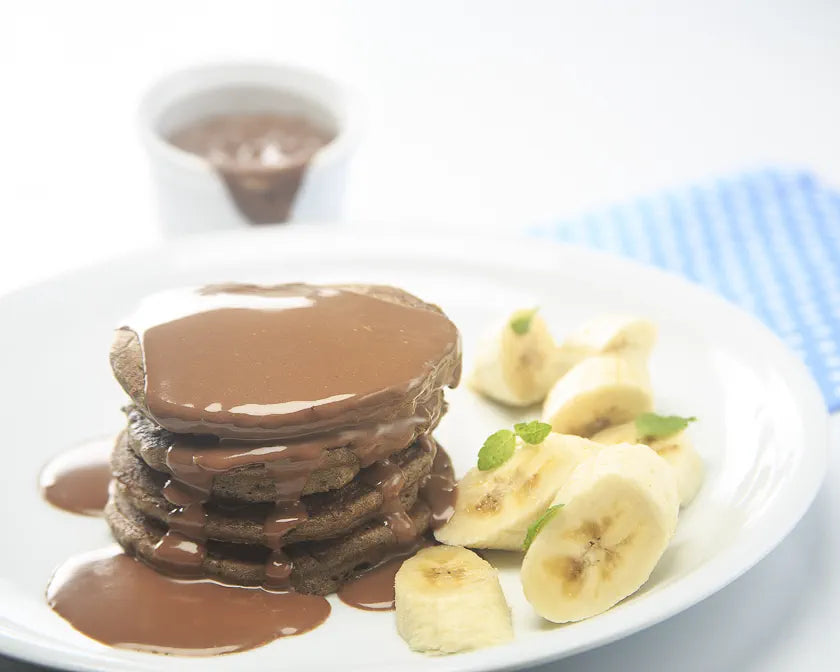
    Chocolate Arepas

  7. 070:48 · no narration

    Pasta

  8. 080:51 · no narration

    Chicken

Chocolate & Cacao Knowledge

How chocolate is made, how Venezuelan cacao is classified, and how to taste and pair it.
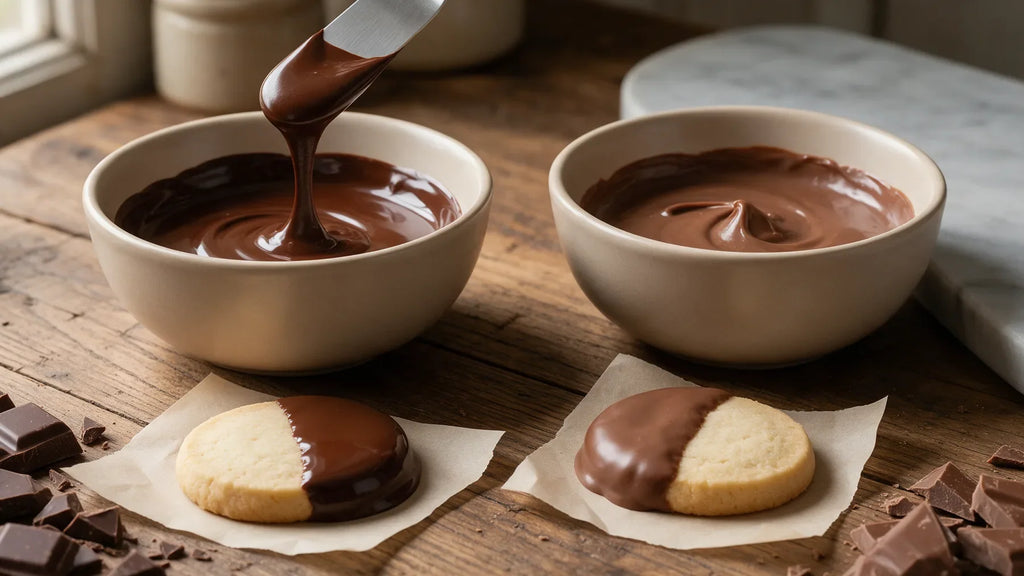
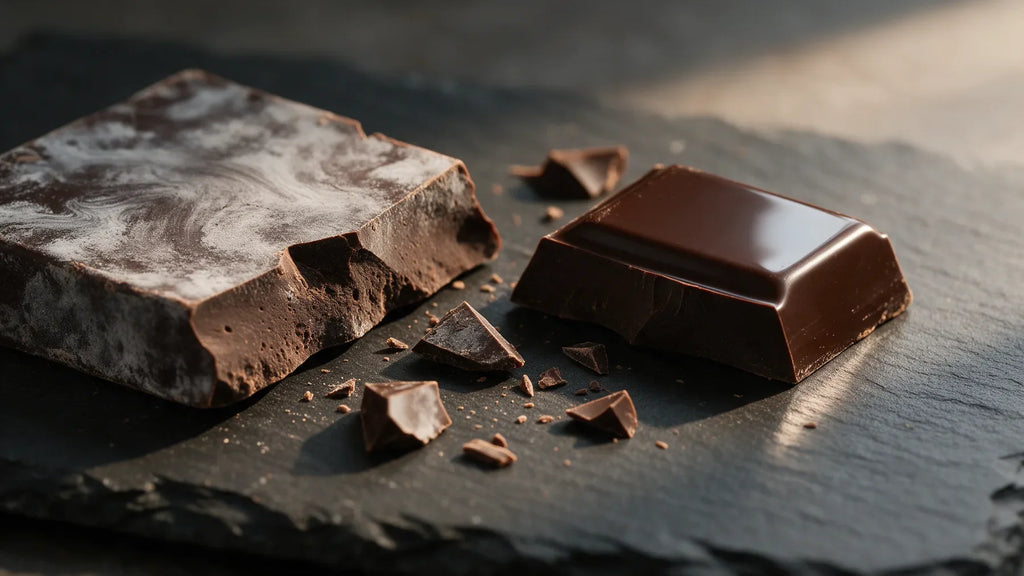
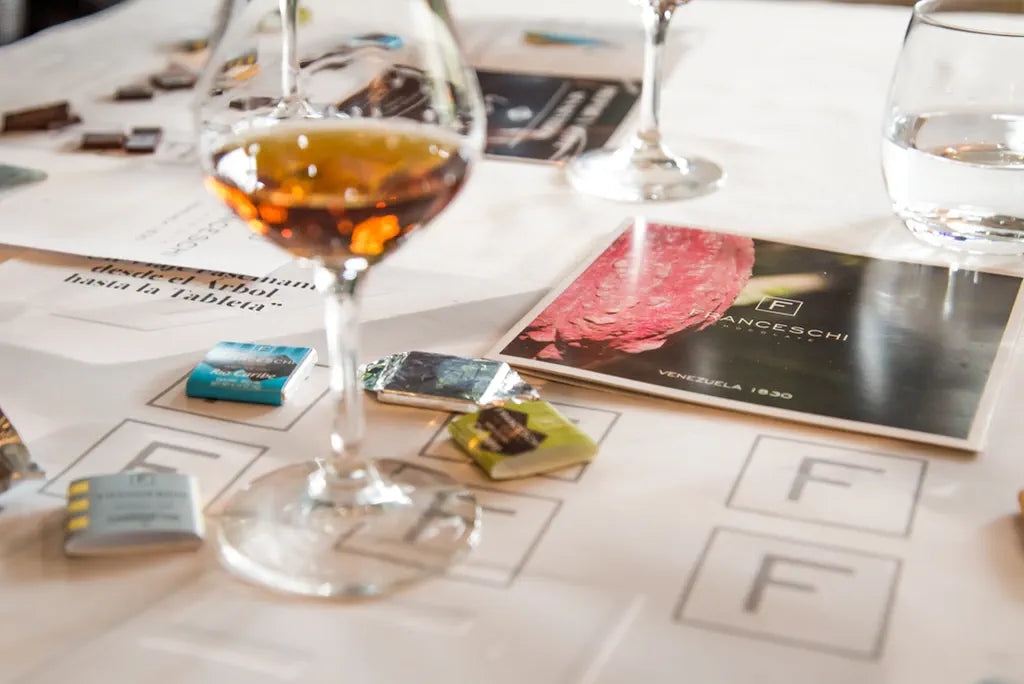
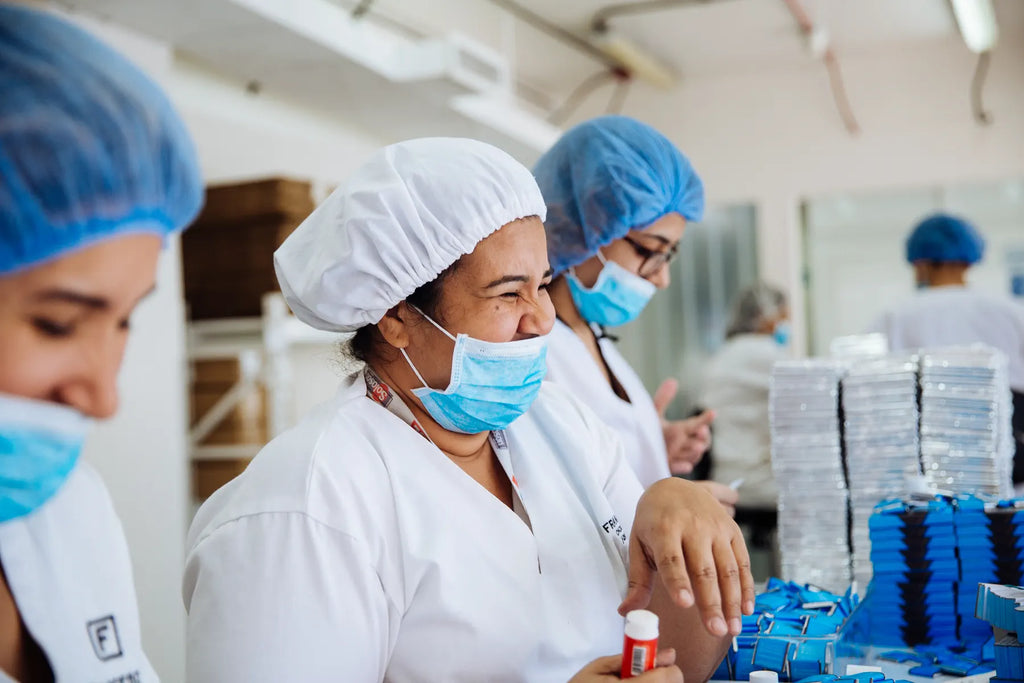
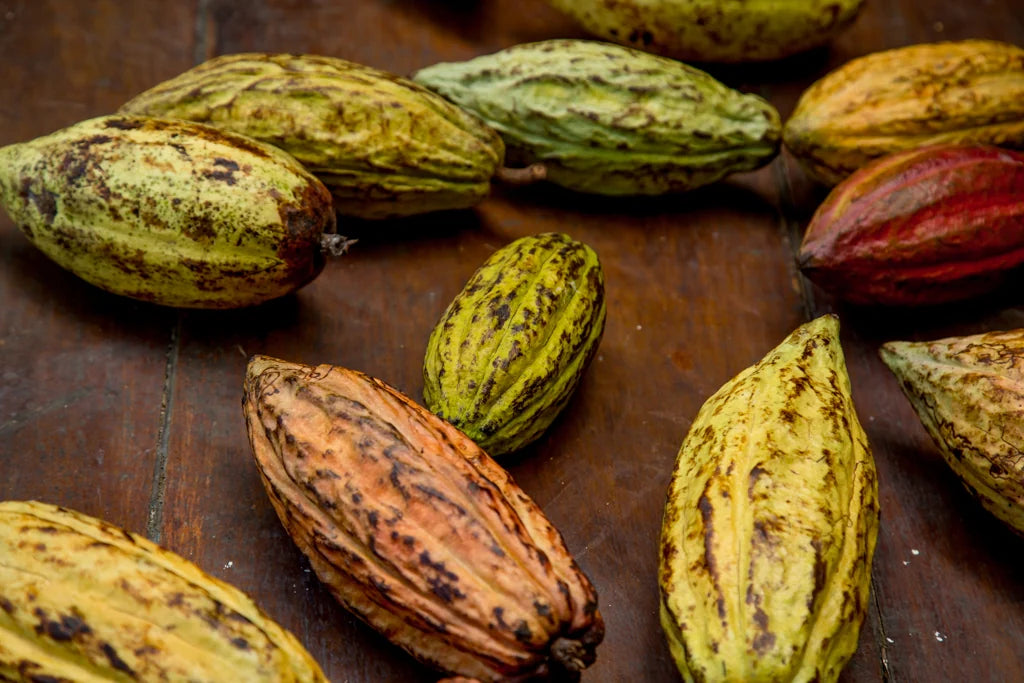
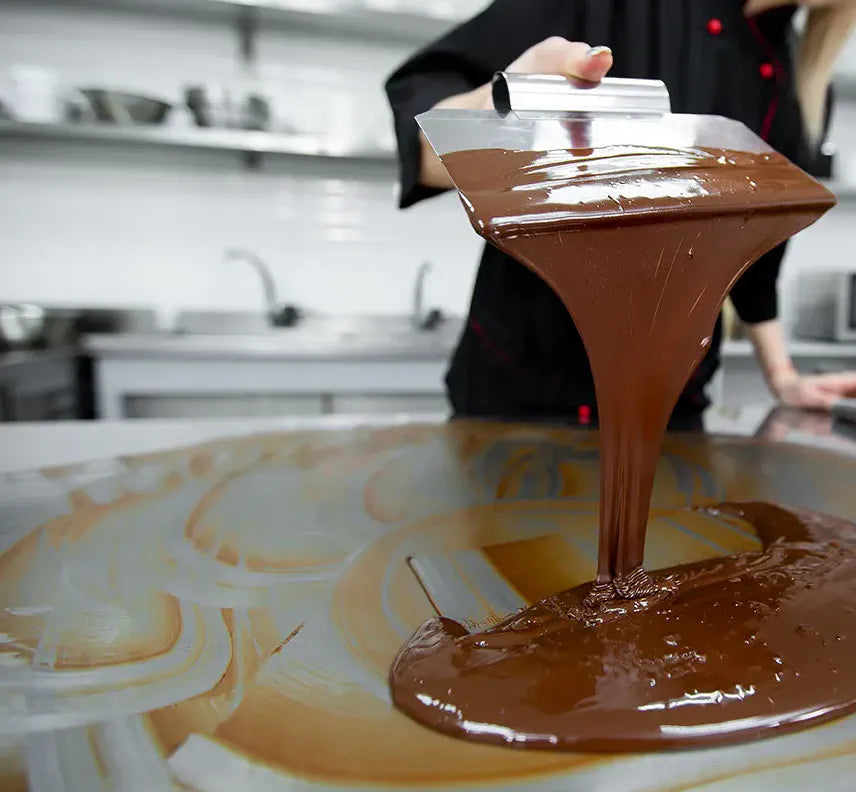
Two bowls of melted chocolate: glossy couverture flowing from a spatula on the left, thicker compound coating on the right, with a half-dipped shortbread cookie in front of each.Couverture vs Compound Chocolate: Which One Should You Use?Couverture is real chocolate with a high share of cocoa butter; it needs tempering and rewards you with shine, snap and a clean melt. Compound chocolate replaces cocoa butter with vegetable fat, so it sets without tempering but tastes and melts less cleanly. Choose couverture for flavor, compound for speed and heat tolerance. A slab of dark chocolate covered in gray-white fat bloom next to a glossy, well-tempered piece of dark chocolate on slate.Chocolate Bloom: Why Chocolate Turns White and Is It Safe to Eat?Chocolate bloom is the white or gray film that forms when cocoa butter or sugar rises to the surface of chocolate. It is safe to eat. Fat bloom comes from heat swings or a poor temper; sugar bloom comes from moisture. Melting and re-tempering the chocolate restores its shine and snap. A split yellow cacao pod showing pulp-covered beans beside fermented cacao beans, a bowl of cacao nibs, cocoa powder and dark chocolate on slate.Cacao vs Cocoa: What's the Difference (and Does It Matter)?Cacao and cocoa come from the same tree, Theobroma cacao. In English, cacao usually means the tree, the pod, the beans and minimally processed products like nibs, while cocoa means roasted and processed products such as cocoa powder and cocoa butter. The real difference is processing and usage, not the plant. Two bowls of cocoa powder on dark slate: light reddish-brown natural cocoa on the left, deep dark-brown Dutch-process cocoa on the right, with brass measuring spoons and cacao beans.Dutch-Process vs Natural Cocoa Powder: What's the Difference?Dutch-process cocoa is cocoa powder treated with an alkali, usually potassium carbonate, to neutralize its natural acidity. That raises the pH to around 7 or higher, darkens the color and mellows the flavor. Natural cocoa stays acidic, at about pH 5 to 6, so it reacts with baking soda; Dutch-process cocoa does not. A guided chocolate tasting laid out with glassesTasting and Pairing Fine ChocolateHow to run a structured tasting in five senses, and what to pour alongside it — from sparkling wine and aged rum to cheese, tea and virgin olive oil. Franceschi production team at work in the chocolate factoryThe Art of Chocolate MakingRoasting, winnowing, grinding, blending, conching, tempering, molding — what each stage actually decides. Freshly harvested Venezuelan cacao pods in yellow, green, orange and red on a wooden tableVenezuelan Cacao: Criollo, Forastero, TrinitarioWhy one country holds so much of the world's cacao genetic diversity — and what that means in the cup.